
TAPS & VALVES INDUSTRY
Get to know our industry:
According to 2018 statistics, the European taps and valves production value represents more than €11bn.
The European taps and valves industry is divided in 3 branches:
Industrial valves (€3.73bn production value)
Sanitary taps and valves (€6.50bn production value)
Building valves (€930mln production value)
The top EU manufacturing countries remain:
Italy, Germany for sanitary taps and building valves sectors
Italy, the United Kingdom, Germany and France for the industrial sector.

Sanitary Valves
Basin taps
Kitchen taps
Bath taps
Faucets
Single control mixing valves
2 handle mixing valves
Thermostatic mixing valves
Pillar taps
Self closing valves
Electronic taps
Showerheads
Headshowers
Handshowers
Shower columns
Shower panels
Shower systems
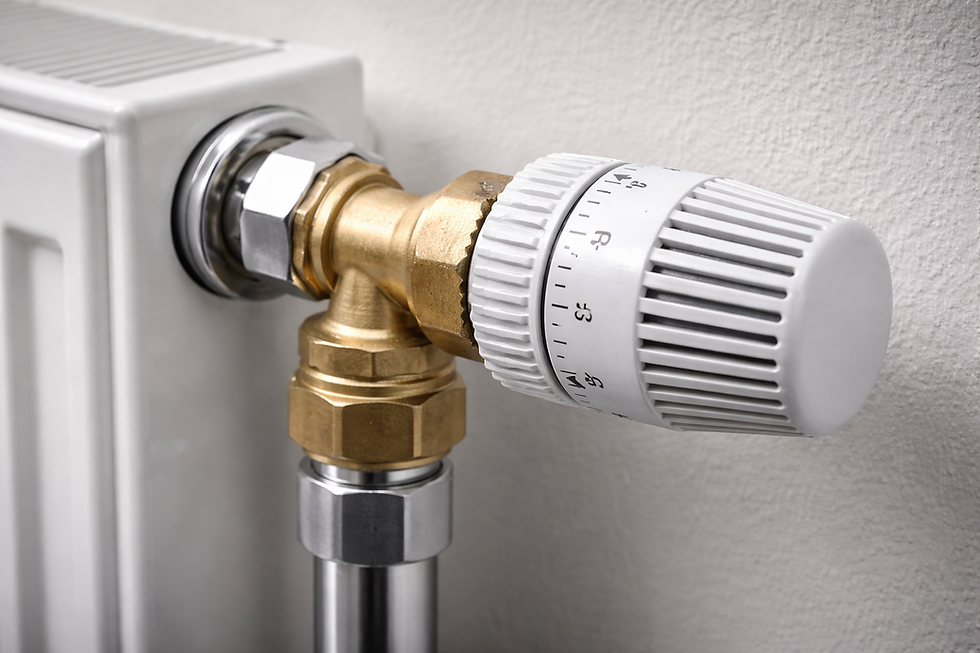
Building Valves
Angle valves
Radiator valves
Thermostatic valves
Thermostatic heads
Disconnectors
Safety groups
Air gaps
Vacuum breakers

Industrial Valves
Screw-down stop valves
Check valves
Gate valves
Safety valves
Diaphragm valves
Plug and ball plug valves
Butterfly valves
Pressure reducing valves
Radiator valves
Unions
Draw-off taps and stop valves
Float operated and flushing valves
Air valves
Axial control valves Hydrants
Hydraulic control valves
Valve Glossary
This Glossary provides consistent terminology for the components and parts of valves and fittings. It supports the work of international technical organisations and helps ensure a common technical language across the sector. CEIR will continue to expand the Glossary as new items and developments are introduced by its members.
The Glossary is organised into sections, each dedicated to a specific type of valve and its components. New sections are added when needed, and an overview can be found in the table of contents.
As new standards are developed and existing ones revised, they are encouraged to follow the terminology defined in this Glossary. Component numbering has also been harmonised so that each part carries the same number throughout the document, supporting greater consistency across standards.